
Fungal infections are a growing concern in clinical practice. Candida, Trichophyton, Aspergillus and others are on the rise globally, and antifungal resistance is becoming an increasingly frustrating obstacle in treating stubborn skin, nail and systemic infections. A new study from Kiel University and the Max Planck Institute for Evolutionary Biology suggests the problem may be bigger than we realised — because the step from “harmless soil fungus” to “human pathogen” may be smaller than previously assumed.
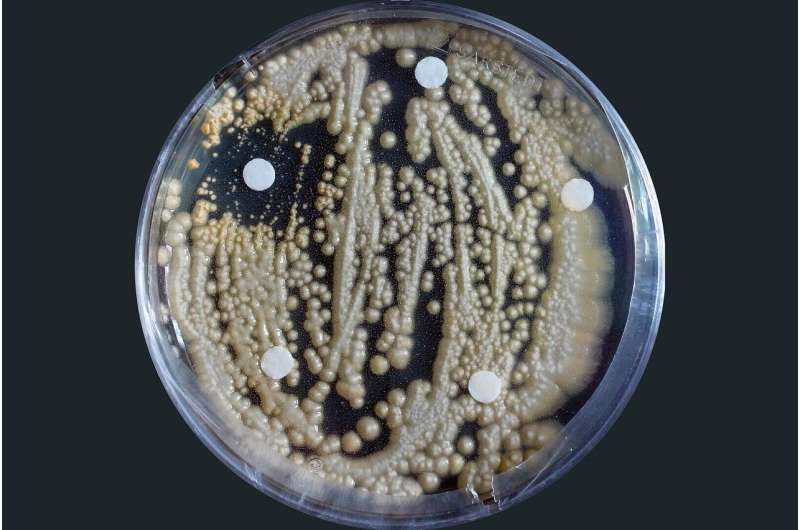
The surprise: it’s not about “virulence genes”
The research team, led by Professor Eva Stukenbrock, compared the genomes of harmless and harmful fungal species in the order Trichosporonales. They expected to find “virulence genes” — specific genetic weapons that pathogens use to attack human tissue, produce toxins, or evade the immune system.
They didn’t find that. As first author Dr. Marco Guerreiro put it: “Contrary to our expectations, pathogenic and harmless species were remarkably similar in their genetic makeup.”
The difference isn’t which genes the fungi have. It’s how efficiently they use them.
Fat is the key
Pathogenic fungi have evolved to translate genes for fat metabolism into proteins faster than their soil-dwelling relatives. This matters because the human body is a lipid-rich environment — skin, blood, tissues are full of fats — while soil is comparatively carbon-centric.
The mechanism is elegant: during translation (when mRNA is read into proteins), speed depends on how well the mRNA’s codons match available tRNA molecules. In pathogenic fungi, that match is especially good for fat-metabolism genes. They build lipid-processing proteins quickly, and that lets them settle into the human body and flourish.
Laboratory tests confirmed the effect. Fungi with genes optimised for fat metabolism grew significantly better in lipid-rich conditions than their soil-adapted cousins.
Why this matters for dermatology and infection control
Two things make this work clinically relevant.
First, the transition from environmental fungus to human pathogen is “evolutionarily accessible” — meaning a species that currently seems harmless could, in principle, shift into a pathogenic role through relatively minor genetic optimisation. Warming global temperatures and increasing numbers of immunocompromised patients create exactly the conditions for that shift.
Second, the researchers highlight antifungal resistance as a compounding concern. Dr. Guerreiro notes: “Species thriving at human body temperature but currently considered harmless might easily make this transition.” If those species are already resistant to the antifungals we rely on, we’re in a difficult position.
The team’s next goal is to identify at-risk species before they become a problem — using the genomic signatures they’ve now characterised as an early-warning signal.
For a dermatology practice, the practical takeaway is simpler: fungal infections that used to be textbook cases are getting harder to treat, and the pipeline of new pathogens may be wider than we expected. Early diagnosis, appropriate culture and sensitivity testing where indicated, and careful stewardship of existing antifungals matter more than ever.